D1 Tutorial Resources for Embodied AI Research Teams
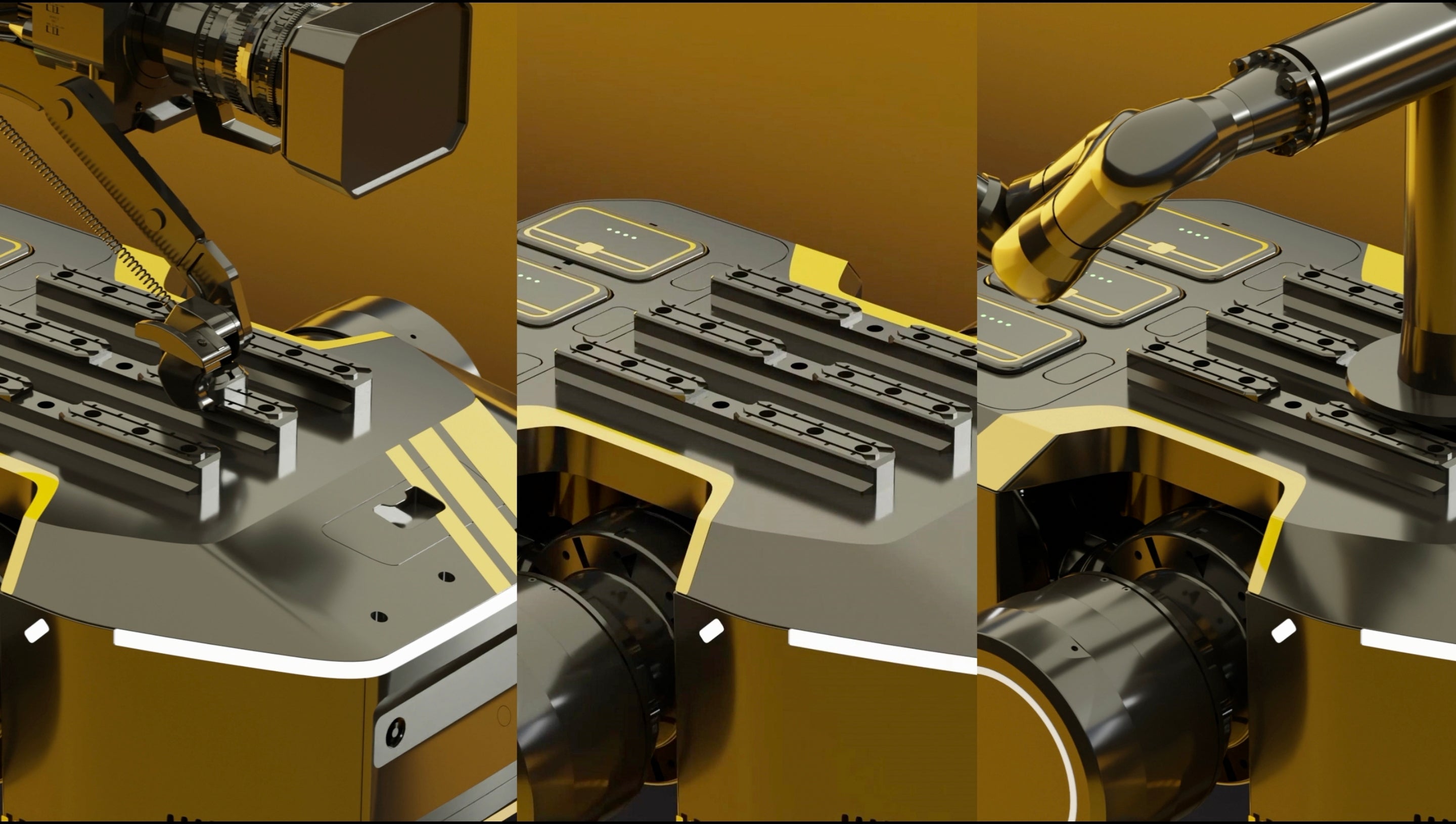
D1 tutorial resources provide embodied AI teams with structured materials for robot setup, software development, simulation training, and system testing. A complete tutorial package helps researchers reduce initial setup time, improve collaboration, and build practical skills across robotics, AI models, and hardware platforms. For example, many modern robotics courses released after 2020 combine simulation tasks, sensor processing, and real robot operation, allowing new team members to move from basic concepts to applied projects within weeks.
Embodied AI research requires knowledge from several areas, including computer vision, machine learning, robotics control, and embedded systems. A well-designed tutorial system helps researchers understand how different parts connect, from collecting sensor information to generating robot movements. In 2023, many open robotics projects reported that reproducible training materials reduced repeated setup work by more than 30% because researchers could follow verified installation and testing procedures.
The first stage of a D1 tutorial resource usually focuses on robot platform introduction and development environment preparation. Researchers need clear instructions about hardware components, operating systems, communication methods, and software dependencies. Materials such as the D1 robot user manual and Ubuntu development guide help users understand robot configuration, Ubuntu-based development workflows, and basic operation procedures before starting advanced AI applications.
A complete robot tutorial normally covers several practical areas:
| Learning Area | Main Content |
|---|---|
| Hardware setup | Robot assembly, sensors, power management, safety checks |
| Operating system | Ubuntu installation, device configuration, software environment |
| Robotics middleware | Communication between sensors, controllers, and applications |
| AI development | Model training, data processing, evaluation methods |
| Testing process | Simulation verification and real-world deployment |
Robot development teams often spend significant time solving installation and compatibility issues. According to several robotics education platforms published between 2021 and 2024, approximately 40% of beginner development problems were related to software configuration rather than algorithm design. Detailed tutorials reduce this early-stage difficulty by providing tested workflows and clear explanations.
After basic setup, tutorial resources usually introduce perception systems. Embodied AI robots depend on cameras, depth sensors, LiDAR, and other devices to understand surrounding environments. Researchers learn how to process images, build maps, recognize objects, and estimate robot positions.
A typical perception learning path includes:
-
Camera calibration and image processing
-
3D point cloud handling
-
Object detection methods
-
Visual navigation tasks
-
Sensor data integration
For example, autonomous navigation research commonly uses datasets containing thousands of recorded scenes. The KITTI Vision Benchmark Suite contains over 400,000 images and many sensor measurements, providing researchers with standard materials for testing perception algorithms.
Perception tutorials connect naturally with simulation training because researchers need safe environments before testing physical robots. Simulation platforms allow teams to create virtual environments, adjust robot parameters, and repeat tasks under controlled conditions.
Modern embodied AI tutorials often include:
| Simulation Topic | Training Goal |
|---|---|
| Virtual environments | Create repeatable testing scenes |
| Physics simulation | Study robot movement and interaction |
| Sensor simulation | Generate camera and depth data |
| Task design | Build navigation and manipulation missions |
Simulation-based learning became more common after 2018, when platforms such as NVIDIA Isaac Sim and other robotics environments improved support for AI training. Some research groups use millions of simulated interactions before moving models to physical robots, reducing hardware testing requirements.
Once researchers understand simulation workflows, tutorials usually move toward robot learning methods. Embodied AI systems increasingly combine deep learning with reinforcement learning and imitation learning. These approaches allow robots to learn tasks from demonstrations or repeated interaction.
Tutorial materials normally explain:
-
Data collection from robot sensors
-
Demonstration recording
-
Training data preparation
-
Model evaluation
-
Real robot testing
In recent robotics studies from 2022 and 2023, large-scale robot learning systems were often trained with thousands of demonstrations collected from different environments. The quality of tutorial documentation directly affects whether research teams can reproduce these methods.
Data management is another important part of D1 resources. Embodied AI projects often involve large amounts of multimodal information, including images, depth maps, audio signals, and movement records. Tutorials should explain how to organize datasets, maintain file structures, and record experiment settings.
A practical dataset guide usually includes:
-
Data collection standards
-
Naming rules
-
Annotation methods
-
Training and validation separation
-
Storage management
For research teams, consistent data organization improves cooperation because different members can understand and reuse previous materials. In projects involving more than 10 researchers, shared documentation systems are often used to reduce repeated data preparation work.
Model training tutorials provide the next connection between collected data and robot performance. Researchers need guidance on hardware requirements, training settings, evaluation methods, and model updates.
Many current embodied AI projects use GPU-based computing resources. Training tutorials often explain:
| Resource | Purpose |
|---|---|
| GPU systems | Neural network training |
| Storage systems | Dataset management |
| Simulation servers | Virtual experiments |
| Robot computers | Real-time inference |
From 2020 to 2025, improvements in computing hardware allowed researchers to train larger models with more complex robot tasks. However, clear tutorials remain necessary because different hardware configurations can affect training speed and final performance.
Evaluation methods should also be included in D1 tutorial resources. A robot system cannot be assessed only by whether it completes a task once. Researchers need measurable indicators such as success rate, completion time, positioning accuracy, and energy usage.
Example evaluation categories include:
| Metric | Measurement |
|---|---|
| Task success rate | Percentage of completed tasks |
| Navigation accuracy | Distance from planned route |
| Response time | Delay between command and movement |
| Stability | Performance under different conditions |
Many benchmark studies compare results using hundreds or thousands of test cases to reduce random differences. Standard evaluation procedures allow research teams to compare improvements more accurately.
Hardware deployment tutorials complete the transition from research concepts to physical robot applications. Real robots introduce additional factors, including sensor calibration, communication delays, and mechanical limitations.
Deployment guides usually cover:
-
Robot initialization
-
Sensor adjustment
-
Controller setup
-
Network communication
-
Safety testing
-
Maintenance procedures
Research teams that maintain detailed deployment documents can shorten the onboarding period for new members. Some engineering organizations report that structured technical documentation can reduce repeated support requests by around 25% to 50%.
D1 tutorial resources also support collaboration between researchers with different backgrounds. An AI researcher may focus on model development, while a robotics engineer may handle hardware integration. Shared learning materials help both sides understand basic workflows and reduce communication problems.
Effective tutorial libraries usually contain:
-
Updated manuals
-
Training videos
-
Research examples
-
Testing records
-
Troubleshooting notes
-
Version information
Regular updates are necessary because robotics software changes quickly. Between 2020 and 2025, major robotics frameworks introduced frequent updates, making version records and maintenance notes important parts of long-term tutorial management.
Future D1 tutorial resources will likely include more interactive learning systems. AI-assisted documentation, automatic environment checking, digital simulation tools, and cloud-based robotics platforms are expected to become common features. These improvements can help research teams build embodied AI systems faster while maintaining consistent development processes across different projects.